SEO · Artificial Intelligence · Enterprise Technology · Digital Marketing · Programmatic SEO
Future of Programmatic SEO using AI
Akash · · 8 min read
Introduction
The evolving landscape of search engine optimization (SEO) is experiencing a seismic shift as artificial intelligence (AI) enters the programmatic SEO arena. Enterprises striving to scale organic search visibility face mounting pressures to automate, personalize, and optimize at a pace unattainable with manual workflows. As AI continues to mature, it’s poised to transform how large organizations execute SEO at scale—increasing efficiency, boosting performance, and uncovering new competitive advantages.
What is Programmatic SEO—and How is AI Changing It?
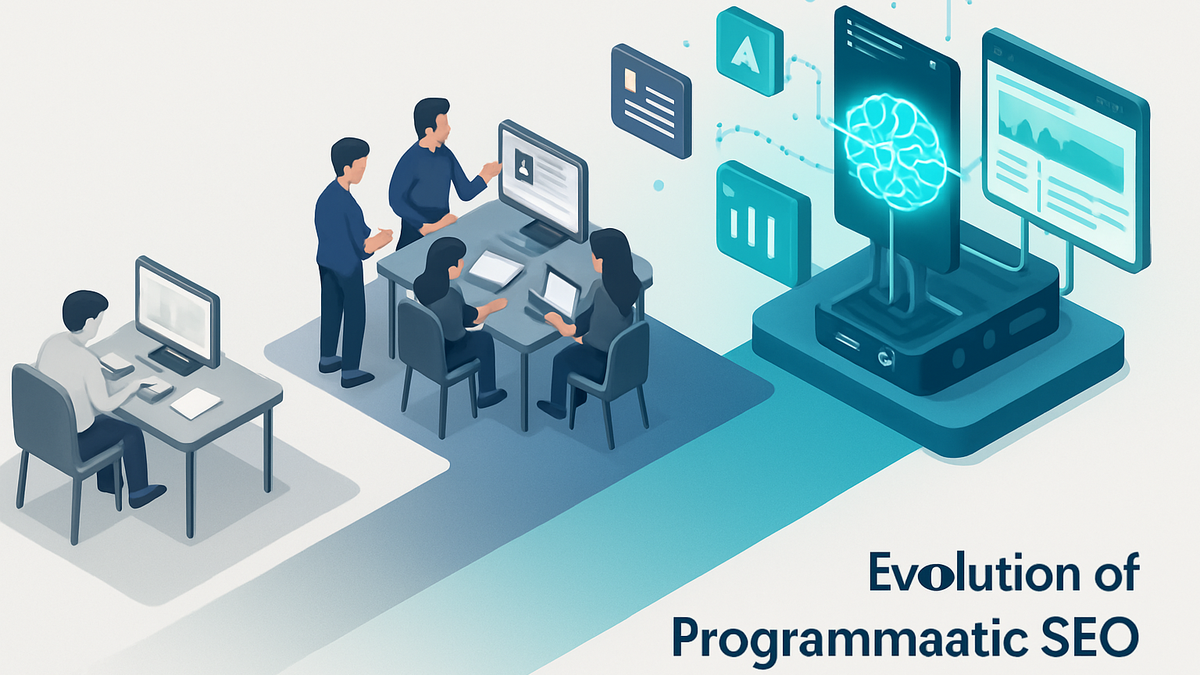
Programmatic SEO refers to the use of technology to automate large-scale SEO tasks like keyword research, content generation, on-page optimization, and landing page creation. Traditionally, this meant leveraging scripts and basic automation frameworks to execute bulk optimizations across thousands of pages. Enter AI: modern machine learning models and natural language processing are revolutionizing these workflows.
Key statistics:
- 61% of marketers say artificial intelligence is the most important aspect of their data strategy for SEO. (Salesforce State of Marketing, 2023)
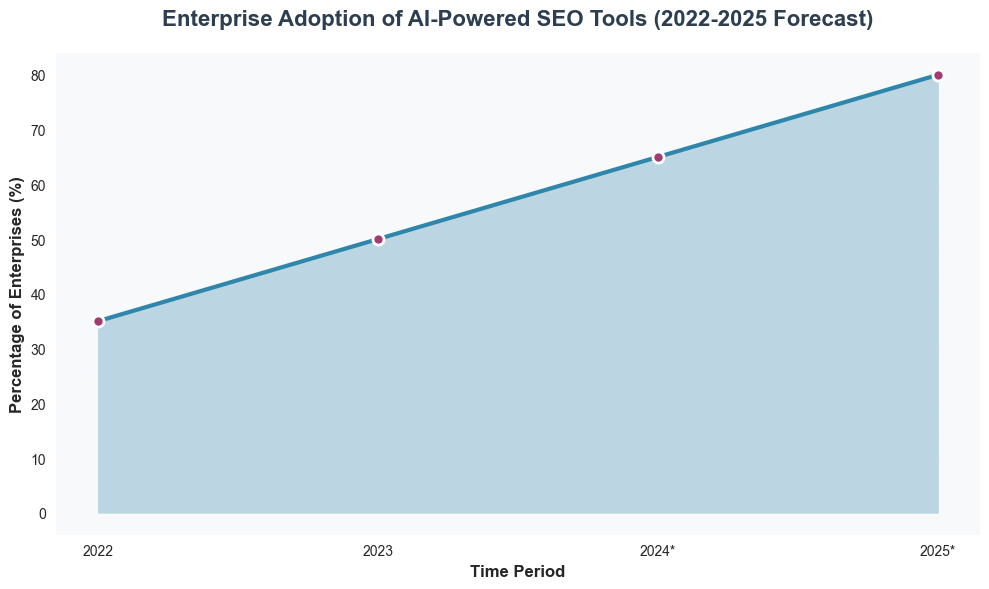
- 50% of enterprises have adopted AI-powered tools for programmatic SEO initiatives, with a projected increase to 80% by 2025. (Statista, 2023)
- Automation can reduce SEO content production time by up to 80% for enterprises using AI-driven programmatic workflows. (Content Marketing Institute, 2024)
The Pillars of AI-Powered Programmatic SEO
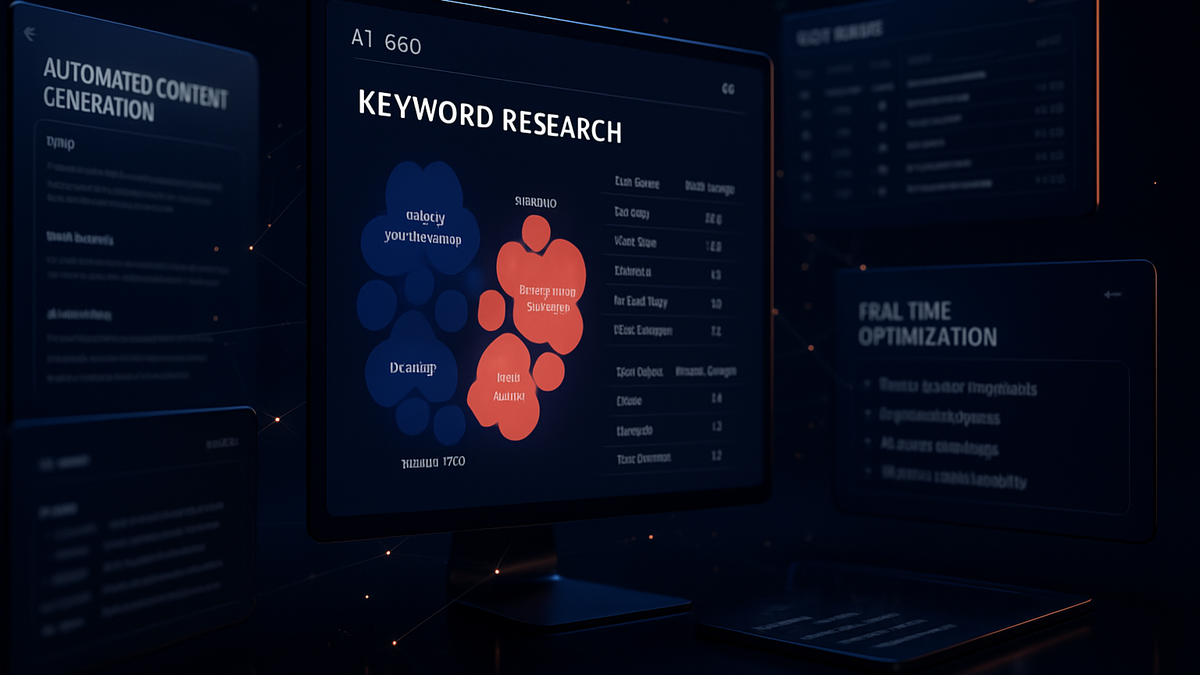
- Automated Content Generation: Large language models can create and optimize massive volumes of unique, intent-driven landing pages for thousands of long-tail keywords in real-time, ensuring relevance and scale.
- Dynamic Keyword Research and Clustering: AI tools understand search intent better through semantic analysis, clustering keyword opportunities, and adapting instantly to algorithm changes.
- Real-Time Optimization: Machine learning-driven analytics allow sites to test, analyze, and adapt title tags, meta descriptions, and page structures dynamically based on live SERP data.
- Enterprise Integration: Modern APIs connect AI SEO tools with business intelligence and analytics platforms, closing the loop for data-driven strategy and ROI tracking.
Market Trends and Enterprise Adoption
Key market trends include:
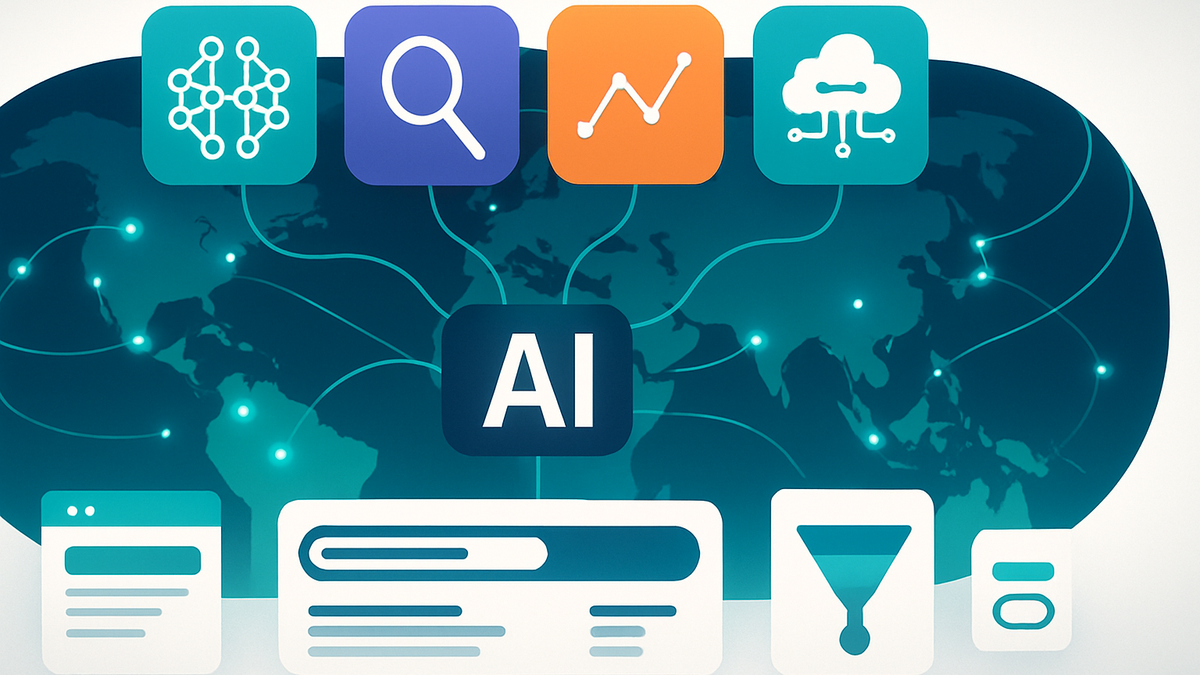
- Rapid adoption of AI-powered platforms for automated keyword discovery, semantic search optimization, and content scaling.
- Demand for real-time SEO analytics that adapt to algorithm updates instantly.
- Integration of SEO automation with enterprise data ecosystems for holistic performance optimization.
- Growing focus on semantic search and topic cluster strategies powered by AI.
Real-World Case Studies
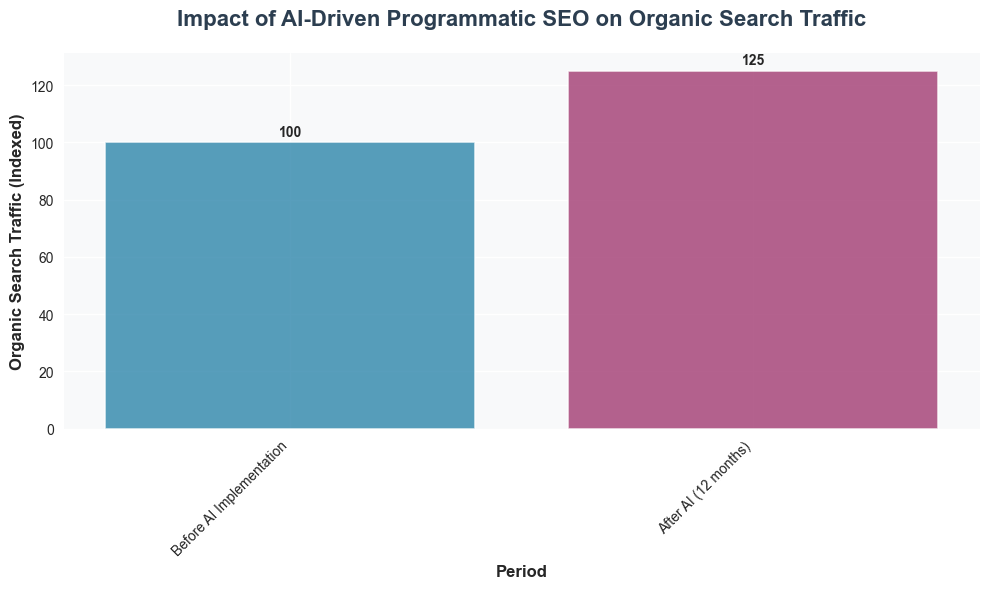
- Global E-commerce Retailer: Implemented AI-powered programmatic SEO, automating 40,000+ landing pages for long-tail keywords. Result: 37% increase in organic traffic, 22% lift in conversion rates within 9 months. *(BrightEdge, 2023)*
- SaaS Leader: Leveraged machine learning for keyword analysis and content optimization at scale. Result: Reduced manual workload by 70%, improved high-intent keyword rankings by 30% in 12 months. *(Conductor, 2024)*
Expert Insights: The Future of Programmatic SEO
"AI is set to revolutionize programmatic SEO by facilitating scalable content creation, real-time optimization, and advanced data insights that are unachievable through manual workflows." – Aleyda Solis, International SEO Consultant
"The future of SEO lies in leveraging machine learning to understand user intent, personalize search results, and automate optimization at scale." – Britney Muller, SEO & AI Expert
"With AI, enterprises can automate the most labor-intensive aspects of SEO—from technical audits to content strategy—enabling SEO teams to focus on creative and strategic initiatives." – Rand Fishkin, Co-founder, SparkToro
Adyen’s Take: Mapping AI SEO to Business Value
For large enterprises, the connection between SEO, user experience, and business results has never been clearer. Adyen’s unified payments and data platform empowers organizations to:
- Integrate AI-driven SEO insights with real transactional and behavioral data,
- Personalize content and landing pages for the highest-converting segments,
- Adapt to market trends and customer demand in real-time with data-driven recommendations,
- Utilize API-driven automation to merge AI SEO tools with backend systems for faster, smarter global growth.
Conclusion
AI isn’t just the future of programmatic SEO—it’s already reshaping how enterprises strategize, execute, and win in organic search. By automating the most complex aspects of SEO, delivering deeper insights, and enabling rapid adaptation, AI-powered programmatic SEO is unlocking a new era of scale and performance for leaders in digital commerce.